4000 SW 34th Ave #B, Amarillo, TX 79109

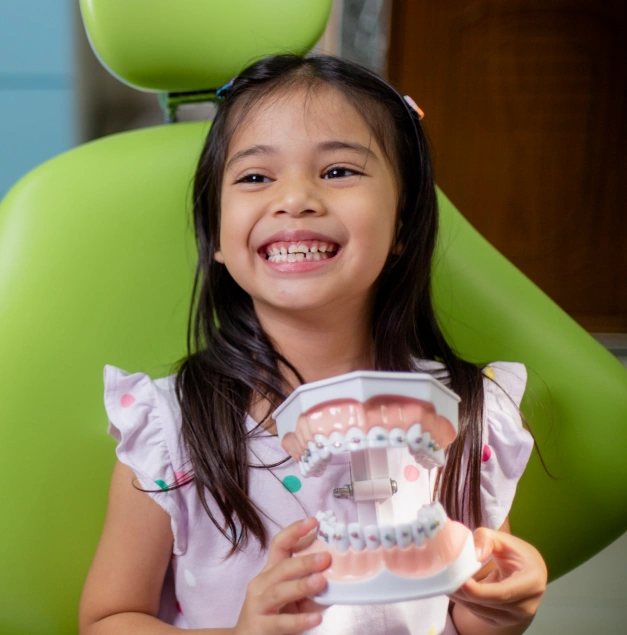
A Treatment Approach Built Around Growth, Not Just Age
Two-Phase Treatment is exactly what it sounds like: an orthodontic plan divided into two distinct stages, separated by a resting period that allows a child's remaining permanent teeth to erupt naturally. Rather than waiting until every permanent tooth has come in to begin treatment, Two-Phase Treatment takes advantage of a child's active growth to guide the jaw and create a healthier foundation before the second, more familiar stage of orthodontic care, involving braces or Spark aligners, ever begins.
This approach is not appropriate for every child. Dr. Gary Chapman recommends Two-Phase Treatment only when early intervention offers a clear advantage over simply waiting for a single phase of treatment during the teenage years, such as cases involving significant crowding, a narrow jaw, or a bite relationship that is likely to become more difficult to correct as the child continues to grow.
Find Out If Your Child Is a Candidate
Why Some Children Benefit from an Early Start
For the right candidates, Two-Phase Treatment offers several meaningful advantages over waiting for a single phase of treatment later in adolescence:
A Smoother, Shorter More Efficient and predictable Phase Two: With foundational growth concerns already addressed, the second phase of treatment can often proceed more quickly, predictably and efficiently due to the teeth erupting into a mouth with enough room. This leaves less to do in aligners or braces.
Airway and Breathing Considerations: Children don't grow out of breathing problems; they grow around them, resulting in severe malocclusions, poor health and performance. The earlier a child breathes appropriately, the sooner normal facial growth can return with proper balance and function. Early jaw expansion supports better airway space, which is part of why Two-Phase Treatment often overlaps with airway-focused orthodontic care.
Two-Phase Treatment is exactly what it sounds like: an orthodontic plan divided into two distinct stages, separated by a resting period that allows a child's remaining permanent teeth to erupt fairly straight due to the space created in Phase I. Phase I also reduces the occurrence of impacted canines and the associated surgical exposure procedure. Rather than waiting until every permanent tooth has come in to begin treatment, Two-Phase Treatment takes advantage of a child's active growth to guide the jaw and create a healthier foundation before the second, more familiar stage of orthodontic care, involving braces or Spark clear aligners, begins.
A Two-Stage Approach to Guiding Your Child's Smile
Two-Phase Treatment unfolds in three connected stages, from early growth guidance through a resting period to a final phase of alignment. Explore each stage below to see what happens and when.
Ages 7 to 10
Phase One: Guiding Early Growth
Treatment focuses on the orthopedic correction of the jaws, rather than final tooth position, using appliances suited to the specific concern being addressed. Braces are generally not appropriate at this time.
- Limited appliances to correct a front tooth crossbite (underbite) or severe rotation.
- LReduces the need for surgical exposure of impacted teeth as room is created prior to problems occurring.
- A proper and timely referral to a speech therapist/tongue function therapist.
Months to a Few Years
Intermission
No active appliances are worn, but monitoring continues so Dr. Chapman can track how remaining permanent teeth are erupting.
- 6 month interval checkup appointments to monitor growth and development in the intermission period.
- Sets up a short and efficient phase two in aligners or braces, generally about a year.
12 to 24 Months
Phase Two: Completing the Smile
Closely resembles traditional treatment, using braces or Spark aligners to bring all permanent teeth into their final alignment.
- Begins once enough permanent teeth erupt
- Often more efficient thanks to phase one
- Uses Spark clear aligners or braces
- Concludes with custom retainers to be worn while sleeping
Determining If Two-Phase Treatment Is the Right Fit
Not every child who is evaluated early needs Two-Phase Treatment, and Dr. Chapman is careful to recommend this approach only when it offers a genuine advantage. Signs that may point toward a Two-Phase recommendation include significant crowding at a young age, a narrow or high arched palate, an early and pronounced crossbite, or a jaw relationship that appears likely to become more difficult to correct with continued growth.
For many children, a single phase of treatment during the teenage years remains the more appropriate and efficient path. An early evaluation is the best way to determine which approach fits a specific child's growth pattern and orthodontic needs, which is why Dental Group Orthodontics recommends a first evaluation by age seven regardless of whether treatment ultimately begins early or later.
Give Your Child's Smile the Best Possible Foundation
Two-Phase Treatment is about more than timing. It is about giving a developing smile the guidance it needs at exactly the right stage. Schedule an evaluation with Dental Group Orthodontics to find out if this approach is right for your child.
Schedule Your Child's Evaluation